

Backpacks & Gearbags, Bipods, Camping, Exercise, Gear, Hiking & Biking Gear, Hunting, Marine & Watersports, Metal Detecting, Safety, Sports Apparel
Understanding Gear Ratios in Fishing Reels
Feb
Ah, fishing—an ancient art that combines patience, skill, and just a touch of good luck, often measured in the size of the fish you catch (or, let’s be honest, the ones that got away). But before you can even think about reeling in the big one, you must first tackle an important yet often perplexing concept: gear ratios in fishing reels. Stick around, and we’ll cast a line into the depths of gear ratios without getting our bait tangled.
What is a Gear Ratio?
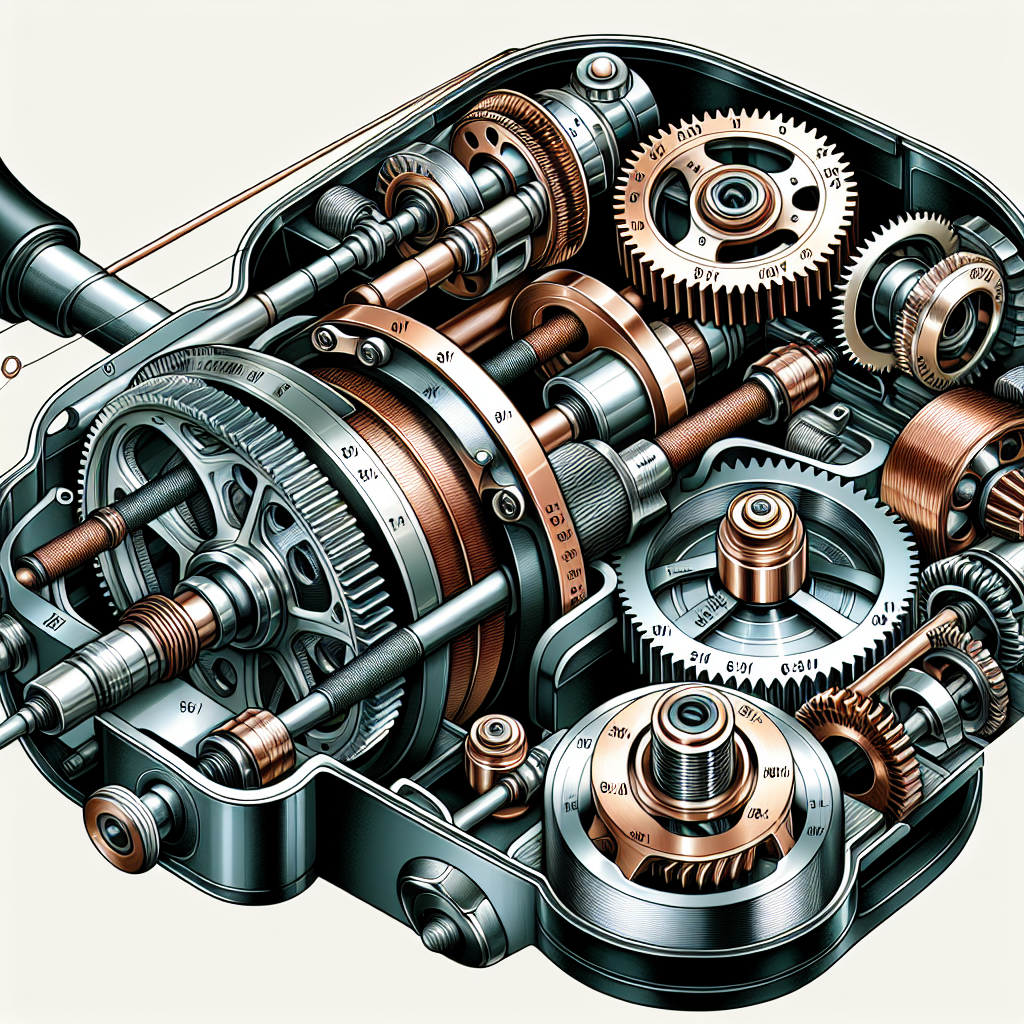
To put it simply, the gear ratio of a fishing reel describes how many times the spool rotates for each full turn of the handle. For example, if a reel has a gear ratio of 6:1, this means that for every turn of the handle, the spool rotates six times. It’s like being on a merry-go-round—if you can spin it six times for each time you take a single lap, you’ll certainly get dizzy quicker!
The Numbers behind the Gear Ratio
Understanding fishing reel gear ratios requires a bit of math, but don’t worry, this isn’t calculus—it’s more like grade-school addition. The ratio is usually expressed as two numbers with a colon, like 5:1, 6:1, or even 7.5:1. Here, the first number indicates the number of spool rotations, while the second number (which is often left off) is simply 1.
Let’s say you read that a reel has a gear ratio of 5:1. That means that for every single twist of the handle, you’ll get five times the crank on the spool. Consider it an exciting way to maximize your effort! You push, and the reel pulls—like a well-established tug-of-war team where one side has a gym membership.
Understanding Different Gear Ratios
High Gear Ratios (6:1 and up)
If you’re looking for speed, high gear ratios are your best friends. These reels are perfect for situations where you need to swiftly bring in your catch, such as when you’re reeling in fast-swimming species like bass or pike. They allow you to retrieve the line quickly, giving you the upper hand in the battle of wits against the fish. It’s like trying to catch a fish on a treadmill set to a high-speed setting—good luck keeping up!
However, they can come at a cost. High gear ratios often reduce the amount of torque available for fighting bigger fish, so if you’re planning on reeling in a whale (or a decent-sized golden trout), you might want to balance speed with power.
Low Gear Ratios (4:1 and below)
On the flip side, if you’re going for power and finesse, low gear ratios are your ticket to the big leagues. These reels are best for situations where you need to put the pressure on a fish that’s playing hard to get. They provide more torque, which is a fancy word that essentially means, “We’re going to wear this fish out until it gives up.” Think of it like having a gym buddy who just won’t let you quit.
These reels are great for groups with heavy tackle or when fishing in deep waters, where the fish is likely to make a run for it and give you a good fight. Just keep in mind, low gear ratios mean a slower retrieval speed—not ideal for the impatient angler.
Which Gear Ratio is Right for You?
Choosing the right gear ratio really depends on your fishing style and what you aim to catch. If you tend to be a speed demon, aiming for a couple of quick bites, go for a high gear ratio. If you’re planning on impressing your pals with the monster fish tale of a lifetime, set your sights on gear that favors torque. It’s like picking between racing a sports car or driving a bulldozer; both will get you there, but you might prefer one over the other based on the journey you want.
Conclusion
Understanding gear ratios in fishing reels can be the difference between landing a trophy fish and losing your sanity while emptying a spool of line. By taking the time to comprehend these crucial mechanics, you can enhance your angling experience—whether that’s zipping in a fish at lightning speed or playing a slow game of tug-of-war with the ocean depths.
So, next time you’re at your local tackle shop, look closely at the gear ratios. Your future fishing expeditions—and your fishing tales—will thank you. After all, a well-fished catch is worth its weight in stories… just be careful not to embellish too much—nobody believes the “ten-pound bass” story if you’re still using a five-pound line!

