

Backpacks & Gearbags, Bipods, Camping, Exercise, Gear, Hiking & Biking Gear, Hunting, Marine & Watersports, Metal Detecting, Safety, Sports Apparel
The Science Behind LED Technology in Flashlights
Jan
Flashlights have come a long way since the days of kerosene lamps and hunting with torches. Enter the era of Light Emitting Diodes, or LEDs for short, which have turned your once dim, flickering companions into super-powered beams of light. Join me as we explore the captivating science behind LED flashlight technology—where illumination gets seriously upgraded.
What Are LEDs?
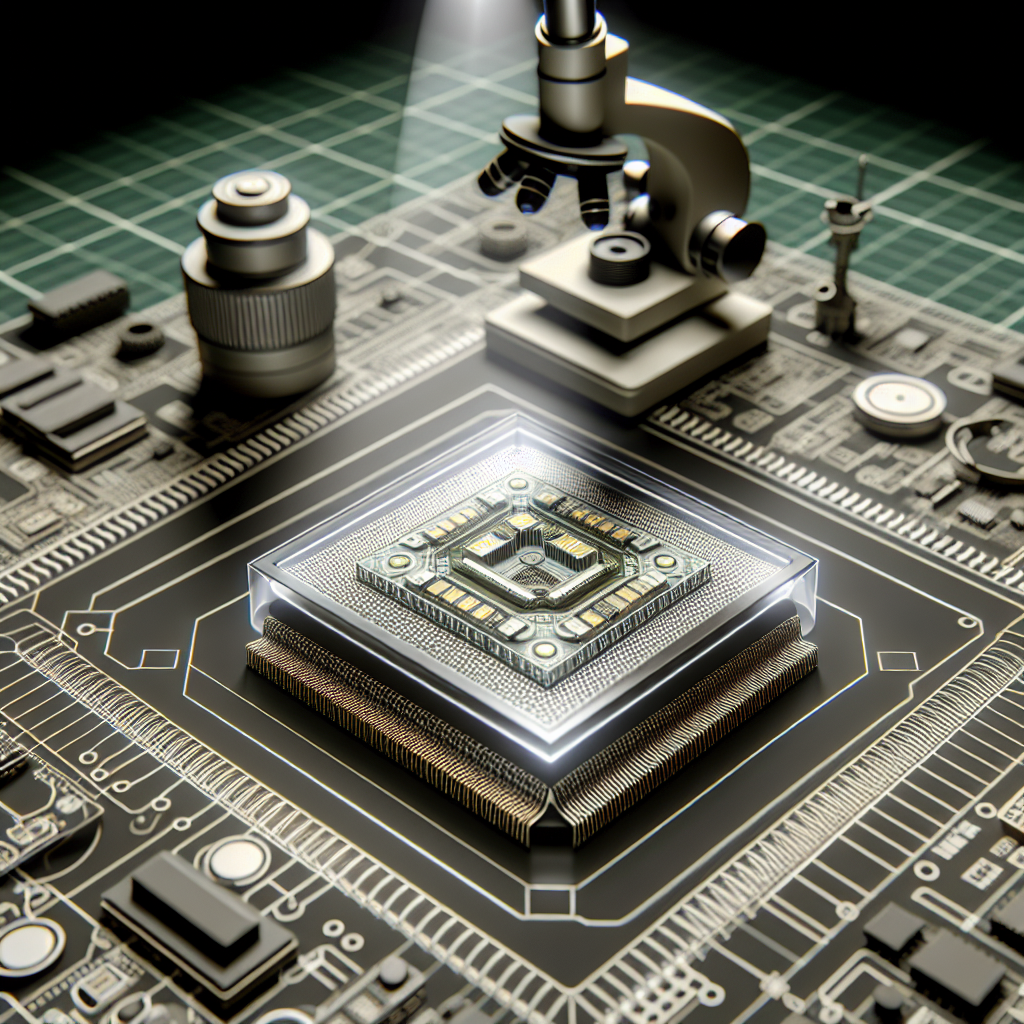
LEDs are semiconductor devices that emit light when an electric current passes through them. It’s not magic; it’s science! Picture this: the electrons in the semiconductor material get all excited and jump to higher energy levels. When they come back down (yes, like a dramatic soap opera), they release energy in the form of light. It’s basically a tiny rave happening at the molecular level. Who knew electrons could throw such a wild party?
Efficiency Over Lumens: The Light Showdown
One of the shining features of LEDs is their efficiency. Unlike traditional incandescent bulbs, which waste a lot of energy by generating heat (seriously, they could double as mini space heaters), LEDs convert about 80% of their energy into light. So, if you’ve ever felt a lantern from the past getting just a tad too toasty in your hand, that’s energy doing a poor job of being “productive.”
To put this into perspective, let’s look at lumens—the unit of measurement for light output. A 60-watt incandescent bulb puts out about 800 lumens, while a mere 10-watt LED can produce the same brightness. That’s like comparing a bulldozer to a nimble sports car. One is powerful but inefficient, while the other zips around with finesse. Just remember, the sports car requires a good bit less gas for even better results!
Color Temperature: More Than Just Pretty Light
In addition to a brightness boost, LEDs also come in varying color temperatures. This phenomenon is like choosing the mood lighting for a dinner date versus a horror film binge-watch night. Measured in Kelvin, lower numbers produce warmer, yellower light (think candlelit ambiance), while higher numbers yield cooler, bluer light (perfect for illuminating the shadows when things get spooky).
For flashlights, this versatility allows consumers to pick based on purpose. Hunters might prefer that warm glow for tracking sensitive wildlife, while an investigator might go for the cooler tones when exploring those questionable basements. Because why not?
Longevity: The End of the Bulb Replacement Saga
The average lifespan of an LED can range from 15,000 to 50,000 hours. By contrast, an incandescent bulb is typically good for only about 1,000 hours of use. So, calling an LED “long-lasting” is a bit like calling your grandpa a “young soul” at 97—technically true, but a massive understatement as well.
This durability translates to hassle-free use. Forget about those days when you’d hear the dreaded “pop” of a burnt-out bulb in the middle of a camping trip. Thanks to LEDs, you can now shine light on many late-night campfire debate sessions about the best ghost stories (or whether pineapple belongs on pizza).
Environmental Impact: Saving the Planet, One Beam at a Time
Now, let’s shine a light on an important topic—environmental sustainability. LEDs are not only energy-efficient, but they also contain no harmful substances like mercury (looking at you, CFLs). They produce less carbon dioxide during their lifetime because they consume less energy. So, every time that flashlight emits its powerful glow, the Earth chuckles happily in the background. Talk about being a hero for the planet!
Conclusion: Light it Up!
In conclusion, LED technology has transformed the humble flashlight into a powerful tool of convenience and efficiency. Its remarkable energy efficiency, customizable color temperatures, longevity, and eco-friendliness make it a beacon of light technology.
So the next time you flick on that beam in the dark, take a moment to appreciate the tiny electron raves happening in your flashlight. With facts like these, you can dazzle your friends and shine a light on your newfound knowledge—literally and figuratively! Now go forth and illuminate the night, whether it’s for late-night snacking or searching for that missing sock you just know is plotting against you. Happy illuminating!

