
Backpacks & Gearbags, Bipods, Camping, Exercise, Gear, Hiking & Biking Gear, Hunting, Marine & Watersports, Metal Detecting, Safety, Sports Apparel
How to Use a Portable Camping Stove Safely in the Wilderness
Mar
Ah, the great outdoors! Where the air is fresh, the scenery is stunning, and where cooking can often feel like a dangerous game of Fire and Ice. If you’re ready to trade the comforts of your kitchen for a charming little spot by a bubbling brook, you’re likely contemplating the use of a portable camping stove. Fear not, intrepid adventurer! With this guide, you’ll not only learn how to safely use your stove in the wilderness, but you might also uncover some of your own culinary talents — or at least learn what not to do.
Choosing the Right Stove
First things first: not all camping stoves are created equal. Like people, some just do better in certain situations. Here are a few popular options:
-
Canister Stoves: Lightweight and compact, these stoves are beloved by backpackers. They use refillable gas canisters that click into place like Lego blocks. Bonus: they take minimal time to heat water. Just don’t forget to pack extra canisters unless you want your gourmet meal to include a side of granola bars.
-
Liquid Fuel Stoves: Ideal for long trips into the wilderness, these can handle colder temperatures like an artful frostbite evader. They burn various fuels, but let’s be real, they are a bit more complex to operate. You’ll feel like you’re preparing a potion instead of dinner — just hope you’re not in a wizard duel when it’s time to cook!
-
Wood-Burning Stoves: For those who want to feel like they’re truly one with nature, there’s nothing like cooking over an open flame. Just remember, not all wood is created equal. (No, you can’t just toss your old furniture into the woods and call it camping!)
Setting Up Your Stove
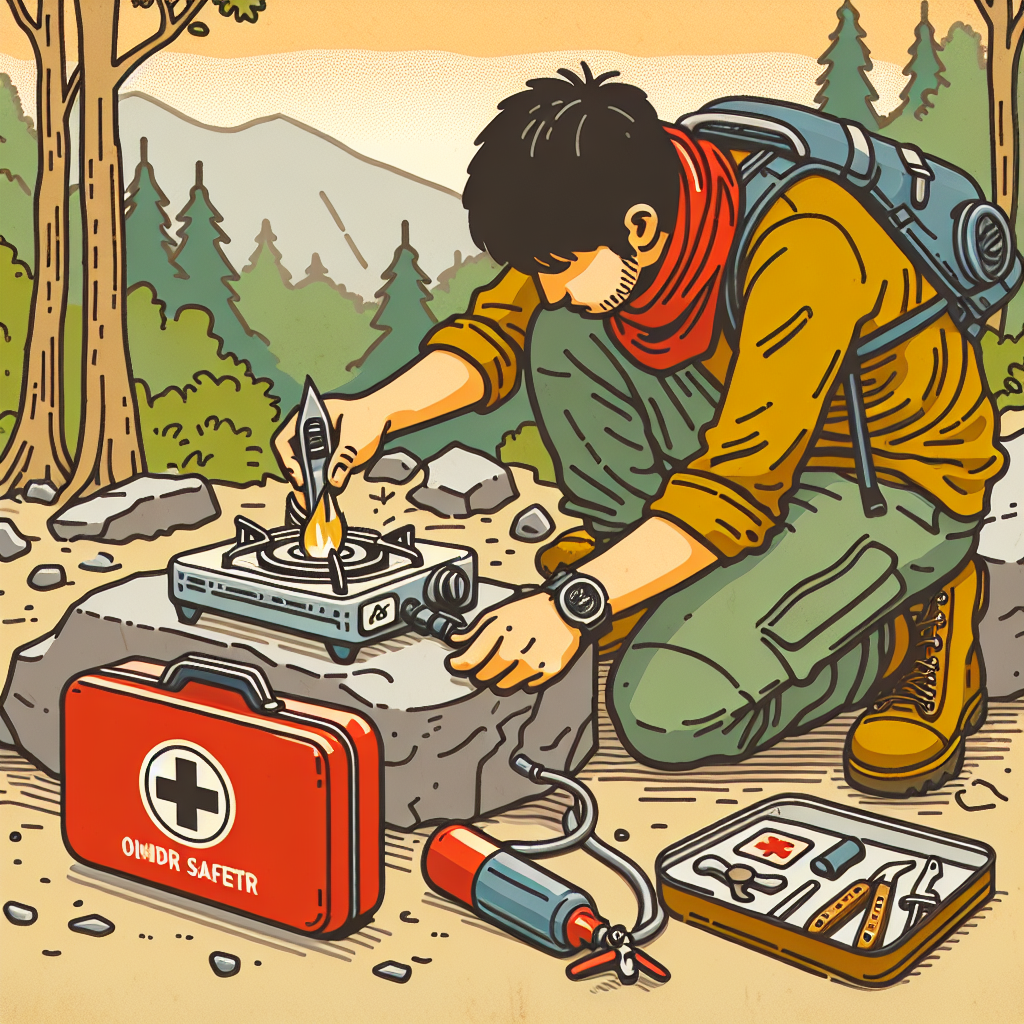
Once you’ve selected your stove, it’s time to set it up. Think of this as your wilderness cooking space. Ideally, you want to set it up:
-
In a Well-Ventilated Area: Yes, that sounds obvious, but it’s still worth saying. Make sure you are a good distance from your tent and any flammable materials. We all want to escape the wrath of bears, not ignite a bonfire for them!
-
On a Stable Surface: You wouldn’t want your stove to take a tumble while your soup is making a dramatic escape, now would you? Look for a flat rock, dirt patch, or even a picnic table that isn’t too rickety. Bonus points if you can position yourself in a way that makes you look like a culinary master.
Cooking Like a Pro
Here comes the fun part: cooking! Here are some tips to help you channel your inner Gordon Ramsay — minus the yelling, of course.
-
Gather Supplies Before You Start: Think of yourself as a hunting-and-gathering chef. Don’t wait until your pot is boiling to realize you forgot the pasta. Hunting for food while trying to balance a flaming pot is just asking for trouble!
-
Use Cooking Utensils Wisely: Remember, steel meets flame—try not to mix your metal spatula with your bare hands. Also, avoid using your prized wooden utensils unless you like the taste of charred wood in your stew.
-
Pay Attention to Cooking Times: Just like good things take time (we’re looking at you, lasagna), impatience can lead to disasters. A hungry hiker might try to “speed cook” — a recipe for exploding soup and a wildly singed eyebrow!
Safety First!
Now that you’re channeling your inner chef, let’s not forget safety! After all, you want to enjoy a gourmet meal, not become part of the campfire legend!
-
Always Monitor Your Stove: Never leave it unattended, as it could lead to all kinds of mayhem. Imagine coming back to a burned forest and the awkward stares of nature. Not a good look!
-
Extinguish Flames Properly: When you’re done cooking, make sure to fully extinguish your stove. Nothing says “camping noob” quite like leaving a smoldering stove to reenact an epic fire scene while you snore in your tent.
-
Have a Fire Extinguisher or Water Handy: Accidents do happen, and a little preparation can prevent a small mishap from turning into a full-blown wilderness rescue. Envision you explaining to search and rescue why you decided to deep fry your eco-friendly cell phone instead of simply heating soup.
Conclusion
Using a portable camping stove in the wilderness can lead to delightful meals and lasting memories—assuming you don’t end up cooking a campfire horror story. By following these handy tips and tricks, you can enjoy delicious meals without turning your camping trip into a “survivor-style” adventure. So go forth, prepare a feast of nature’s finest ingredients, and may your fires burn brightly, but safely! Happy camping and bon appétit!

