
Backpacks & Gearbags, Bipods, Camping, Exercise, Gear, Hiking & Biking Gear, Hunting, Marine & Watersports, Metal Detecting, Safety, Sports Apparel
How to Choose the Right Survival Gear for Your Needs
In today’s world, survival gear isn’t just for those rugged types who chew tree bark and hunt wild boars with nothing but a toothpick. Nope, even suburban dwellers can find themselves in need of the right survival tools—whether it’s for a weekend camping trip, a day hike, or one catastrophic event that sends your neighborhood into chaos (we’re looking at you, unexpected snowstorm). In this article, we’ll guide you through the maze of survival gear choices to ensure you’re well-prepared for anything Mother Nature—or your neighbor’s BBQ gone wrong—throws your way.
Understand Your Environment
Before you rush off to buy every gadget that boasts “survival” on the label, take a moment to consider where you’ll be using this gear. Is it in the middle of a forest, a urban jungle, or your backyard?
-
Urban Survival Gear: If you’re more of a city slicker, you might need gear designed for urban situations. Think first aid kits that fit in your bag, compact multi-tools for everyday fixes, and perhaps a reliable portable charger—because you never know when you’ll need to post that emergency selfie.
-
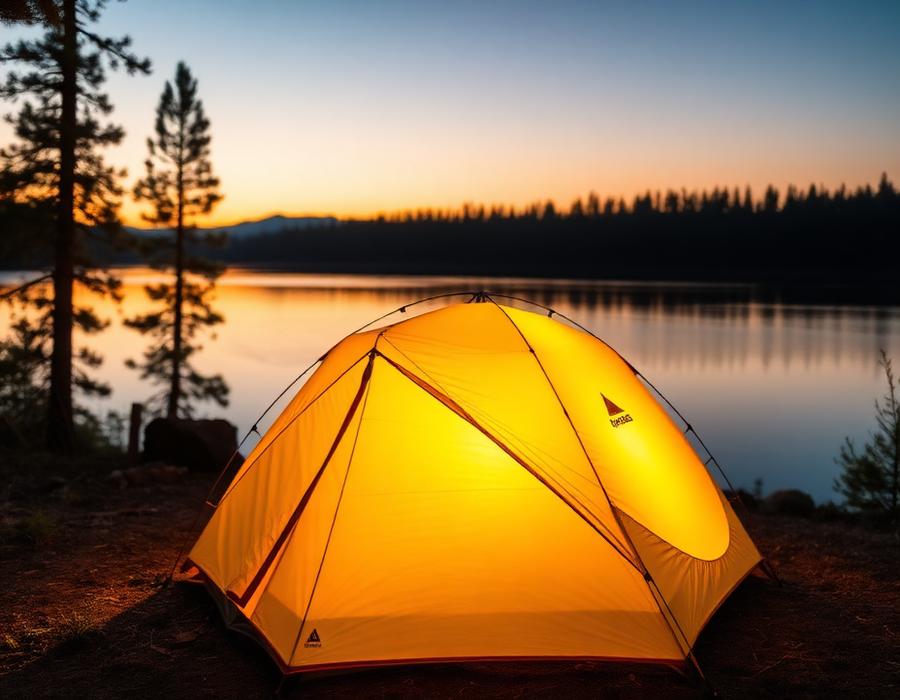
Wilderness Survival Gear: For those planning to venture into the great outdoors (while resisting the urge to Instagram every moment), consider items like a reliable tent, a high-quality sleeping bag, or an all-purpose knife that makes you feel like a contestant on a survival reality show. Just remember, when choosing your tent, that it keeps rain out and not just your enthusiasm.
Assess Your Activities
Your choice in survival gear should align with what you plan to do. Are you hiking, camping, or engaging in a new sport like extreme llama trekking?
-
Hiking: Lightweight backpacks, water purification systems, and sturdy hiking boots are essential. After all, nothing screams “survival” like tripping on your shoelaces over a rock.
-
Camping: Opt for larger gear such as cooking equipment and portable shelters. Good food makes survival exponentially better—who wouldn’t want to roast marshmallows over a roaring fire? And yes, s’mores are essential for morale.
-
Emergency Preparedness: Consider versatile gear, such as first aid kits, water filters, food supplies (preferably not expired), and flashlights that don’t require you to shake them like a Polaroid picture for operation.
Quality Over Quantity
Now, while it’s tempting to hoard all the cute gadgets at your local outdoor store—because that camping spatula is just so adorable—prioritize quality. High-quality gear can be your saving grace.
-
Durability: Look for gear made from strong materials that can withstand wear and tear. Remember, your gear should be tougher than your cousin Tom who insists on sharing every embarrassing family story around the campfire.
-
Ease of Use: Choose items that are straightforward to operate. A complex fishing rod that doubles as a tripod might sound clever, but when you’re hungry, those fish won’t wait for your complicated setup.
Budget Wisely
Survival gear, like a good cheese, can sometimes come with a hefty price tag. But before you break the bank, consider your options.
-
Invest in Essentials: Spend on key items that you will use regularly, like quality knives, cooking equipment, or an excellent first aid kit.
-
Look for Bundles or Sales: You might find that just like those unexpected ‘buy one, get one’ offers at the grocery store, outdoor stores sometimes offer bundles—take advantage of those!
Test Your Gear
Okay, so you’ve bought your gear; now what? Don’t just let it sit in your garage, gathering dust like that treadmill you thought would change your life.
-
Practice with Your Gear: Familiarize yourself with your equipment. Go for test runs, set up your tent, and practice using your emergency supplies. Beware: you may discover that using a compass is more challenging than finding your way to the fridge at 2 AM.
-
Learn Basic Skills: Equip yourself with some basic survival skills. It’s not enough to have the gear; you should know how to use it. You Tube can be a treasure trove here—just be wary of finding too many cat videos instead.
Conclusion
When it comes to survival gear, it’s less about hoarding the latest tools and gadgets and more about being prepared for your particular needs. Assess your environment, activities, quality, budget, and don’t forget to practice. Who knows? One day, you might find yourself saving the day while camping or just impressing your friends with your newfound wilderness prowess—and all without a hint of tree bark chewing. So gear up, stay safe, and enjoy your adventures!

